
Shredder Hammers
Shredder Grates By Westom Global®
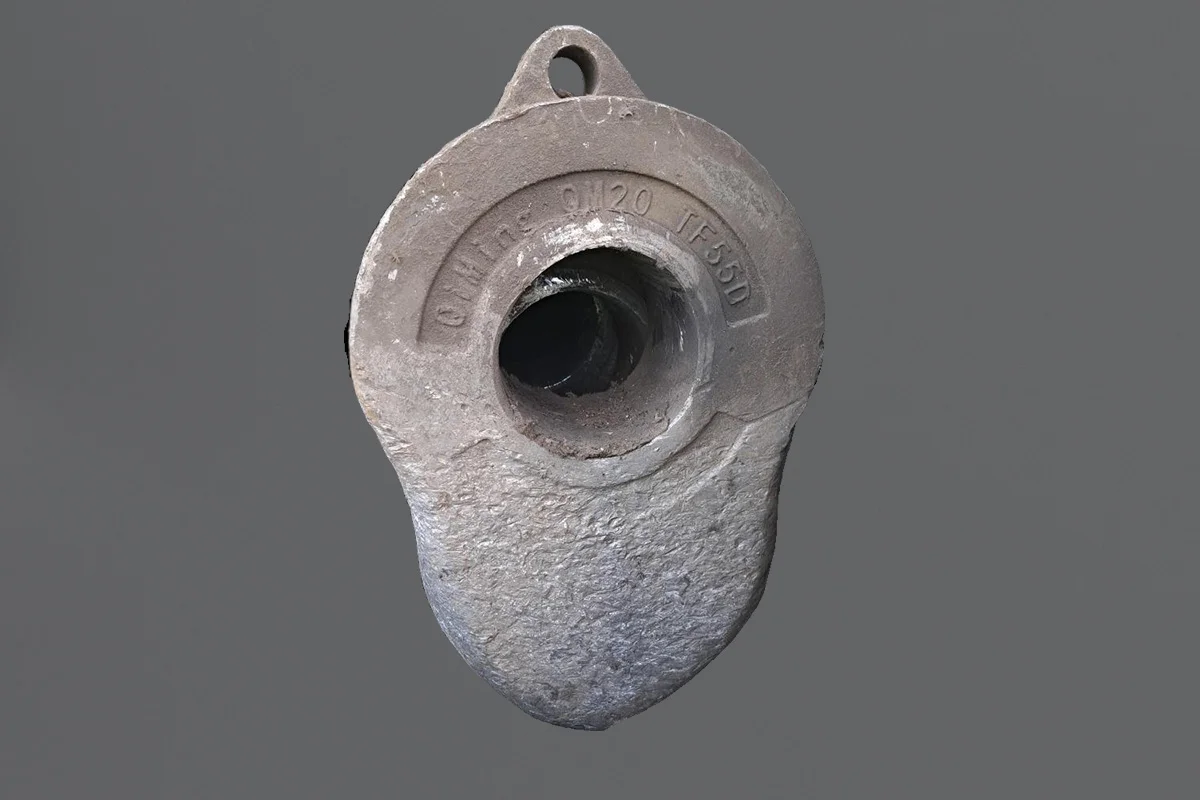
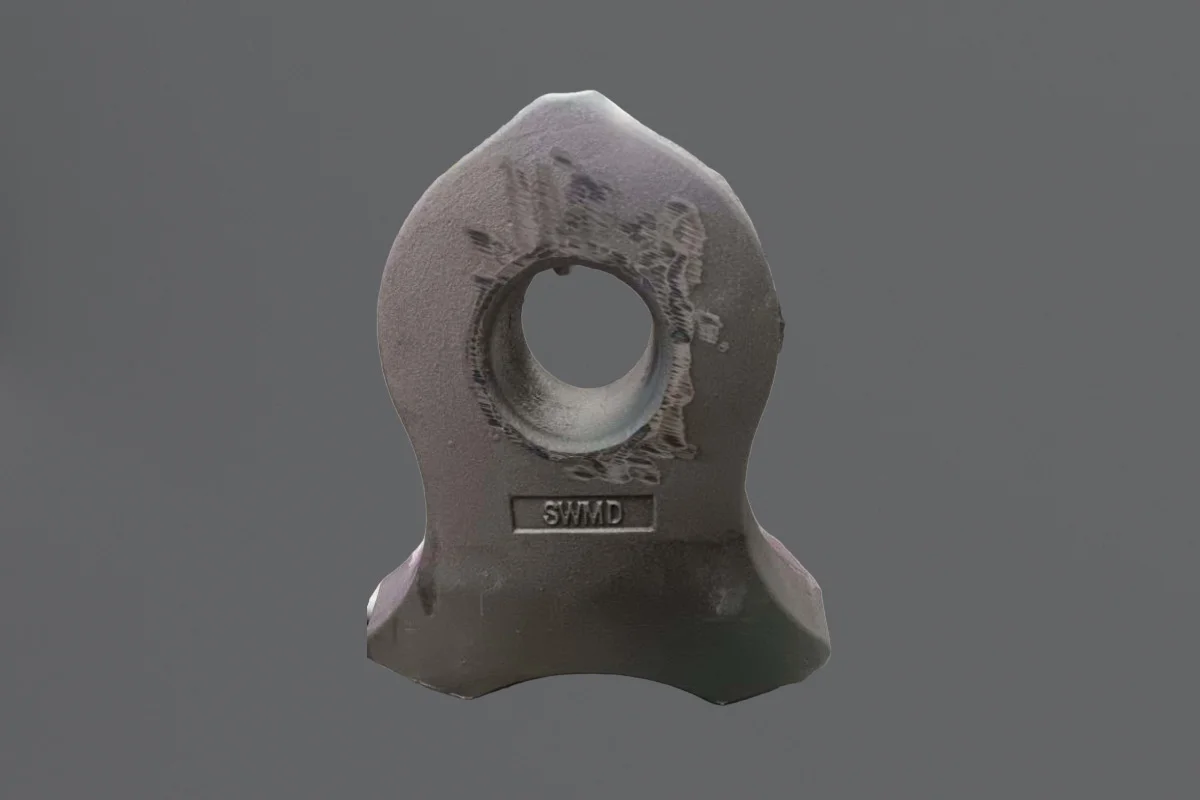
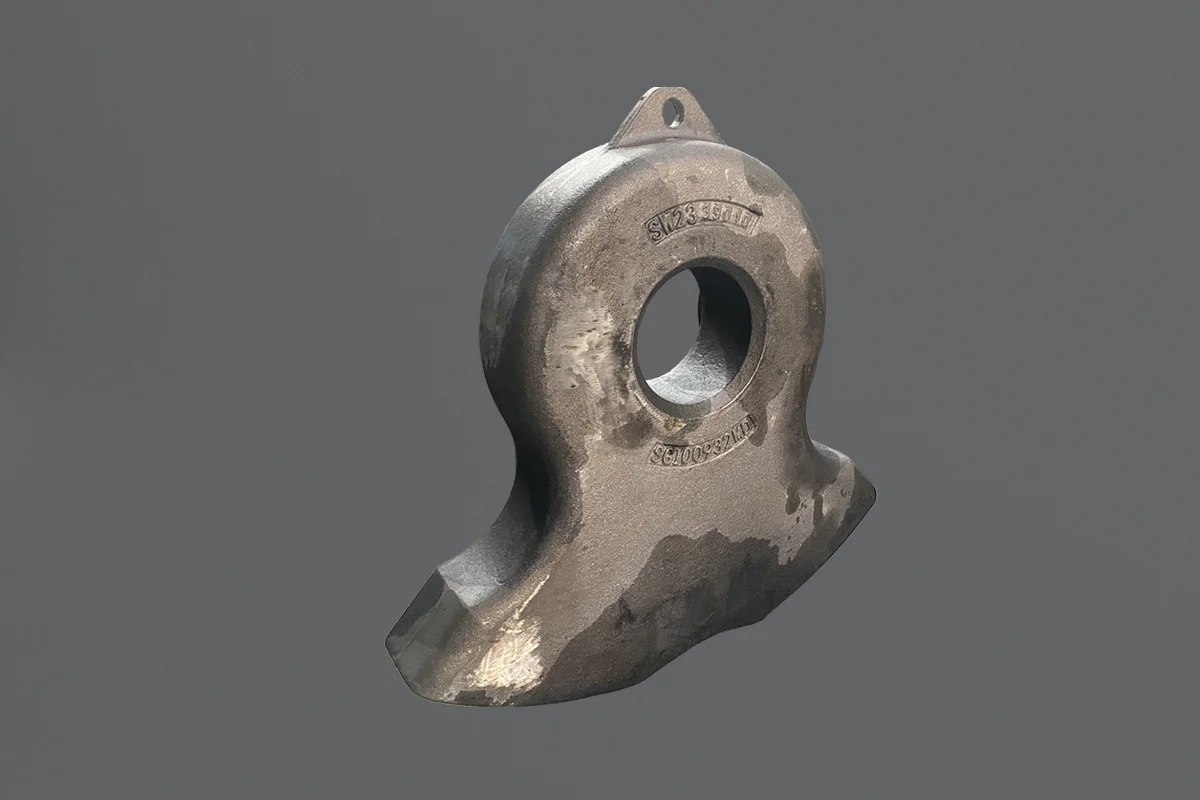
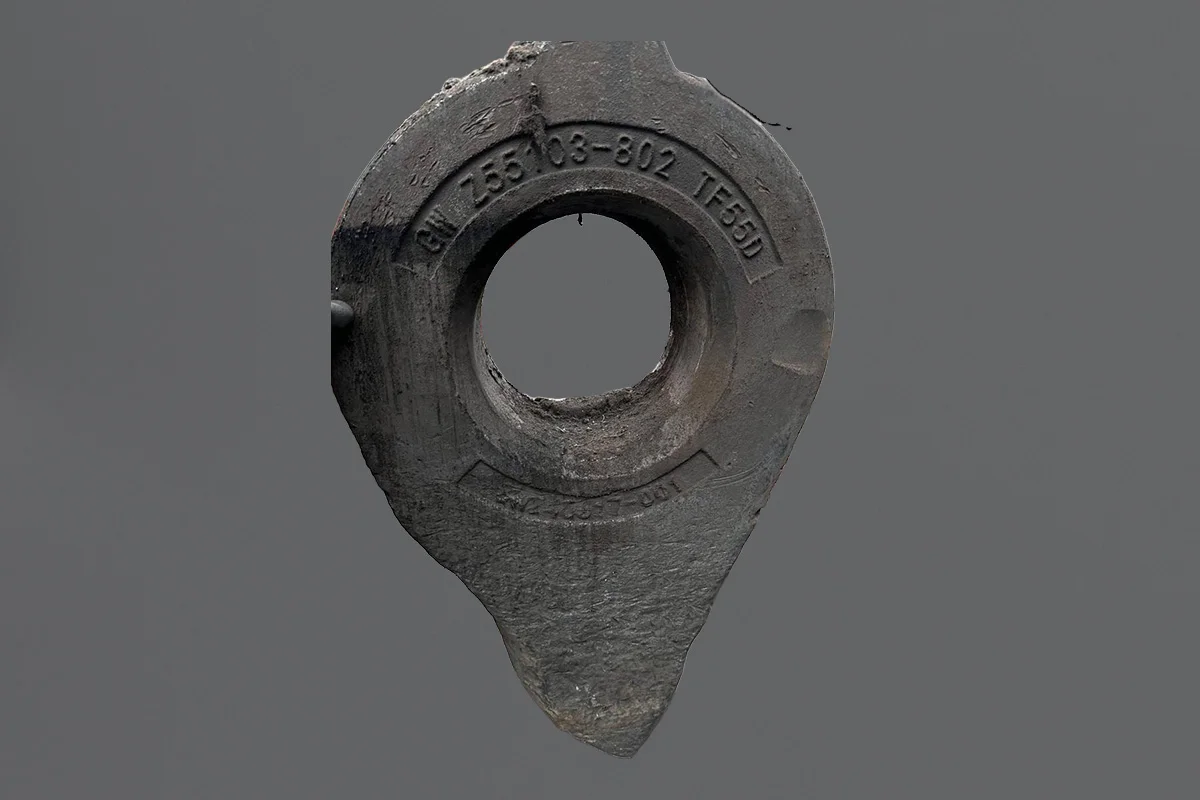
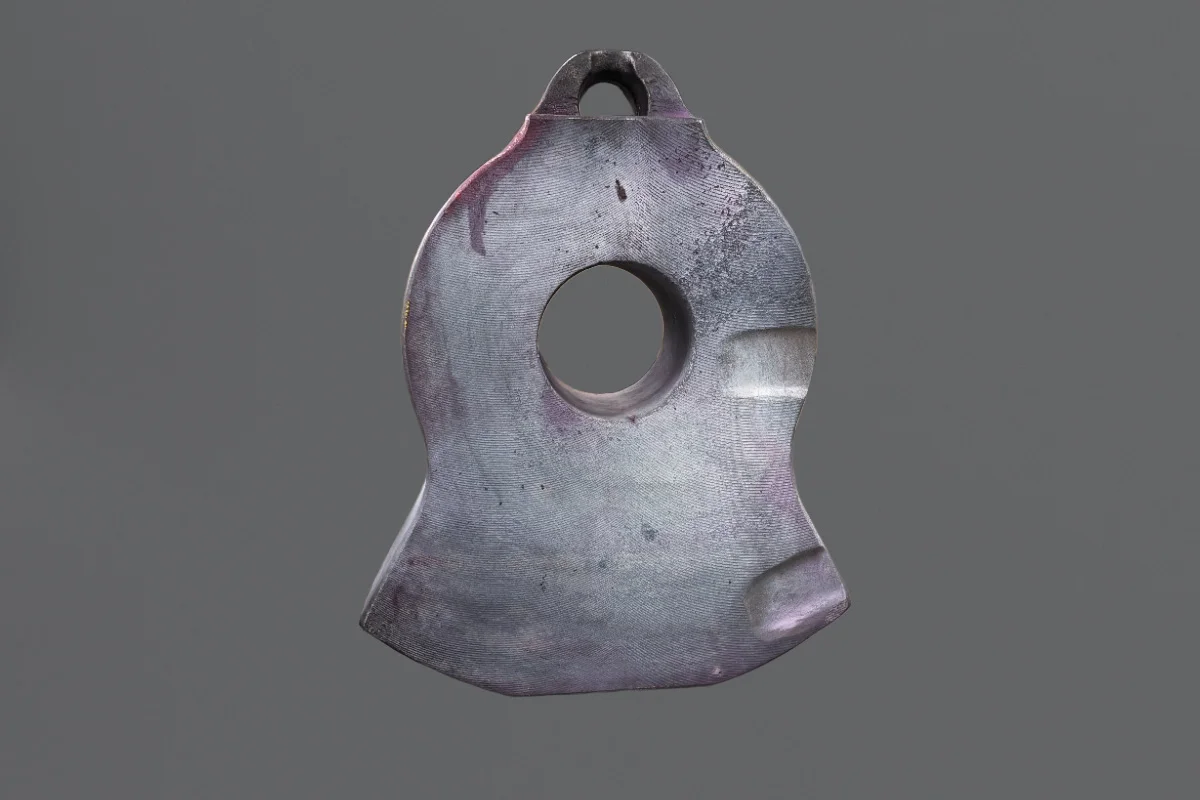
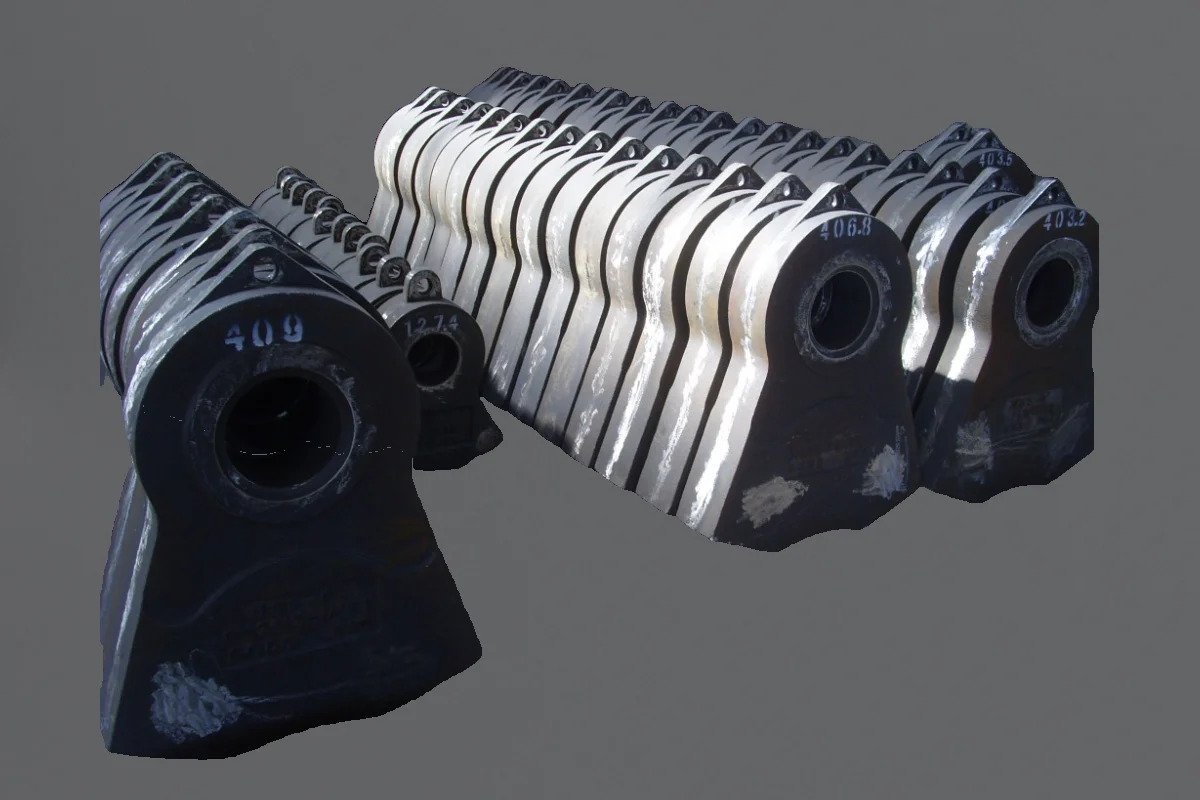
Shredders are widely used in metal scrap recycling. The Shredder device includes hammers joined to a massive rotor. Hammers are responsible for grinding and play a vital role in the shredder. Most of the casted hammers are made from austenitic manganese steel.
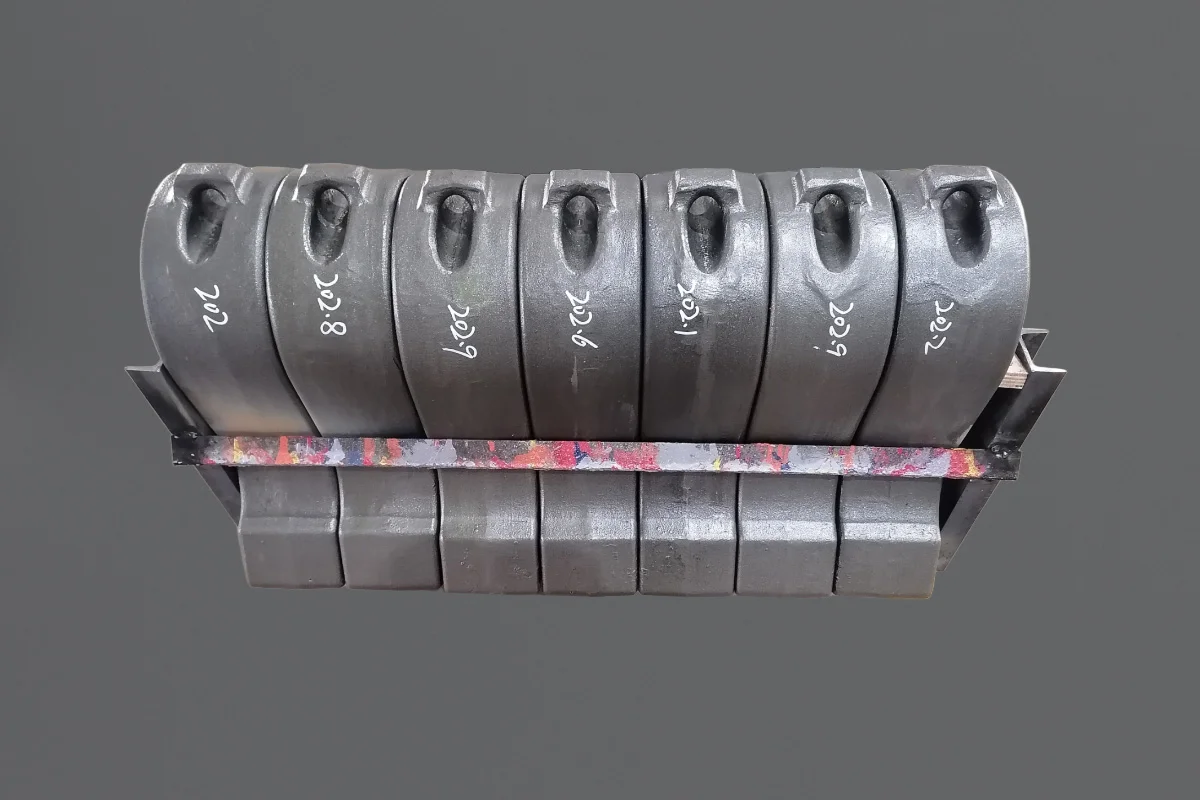
We have engineered a metal alloy that is optimized for metal shredding. Combined with rigorous lean manufacturing processes at our foundries, Westom Global has brought to the market a shredder hammer line that provides our customers with the lowest cost per ton. Our Shredder hammers are made in proprietary manganese steel, alloy steel, and TIC Inserts hammers. We also make different materials to suit different work conditions, which are extremely hard on the bottom and possess a softer material around the pin to keep the pin from wearing out. In essence, we can right-size the metallurgy of the casting to the particular application, resulting in the most wear-resistant part available.
Dual Hardness Alloy Steel Hammer
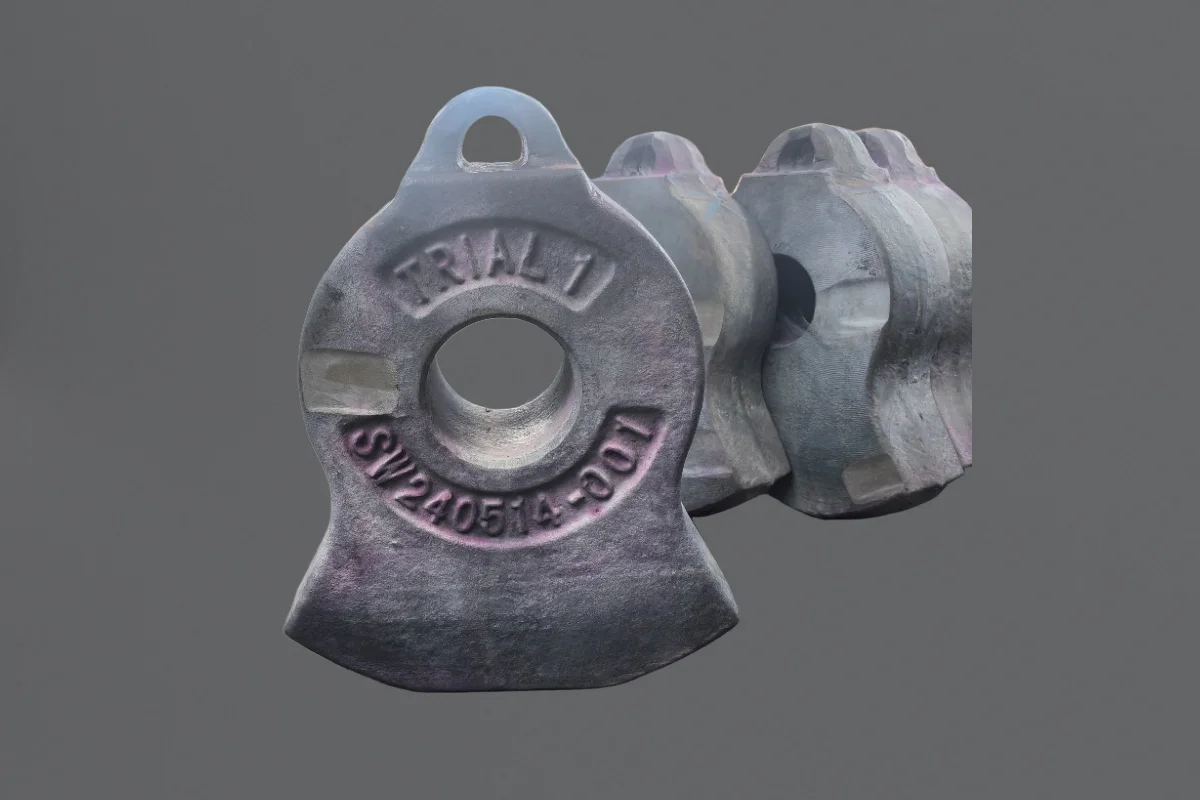
Westom Global has developed a new hammer series, Dual Hardness Alloy Steel Hammer, to extend these tools’ lifetime. Featuring a special alloy, the high-quality cast-steel hammers from the Westom Global ensure substantially enhanced economic efficiency and can be used in all types of shredder series.
The special alloy is harder in critical areas and helps keep the original shape of the hammer for longer. With the correct hammer profile for your rotor, the shredder will feed better since it grabs the material and pulls it in, resulting in a higher production rate over a more extended period of the life of the hammer (it keeps the sweet spot longer). This alloy has a higher yield point than manganese (it deforms less); consequently, you can push its geometry and use a thicker hammer that will not jam in your rotor. This gives you a more powerful striking force and improves material breakage and non-ferrous recovery.
Manganese Molybdenum Alloy Hammers
Manganese steel hammers have been around since the shredder was invented. Manganese is still the hammer of choice for the vast majority of shredders around the world. It is usually the lowest cost per processed ton performer and the most forgiving with baled and heavy scrap. If your product mix has a good percentage of heavier scrap to shred, you can work harden the hammers for excellent wear. Manganese hammers should have a minimum of 1/2% Molybdenum (moly) for best results.
All Westom Global shredder hammers are backed by the ISO9001:2015 quality control system and are shipped only after meeting our rigorous quality standards. We are committed to meeting your replacement parts needs professionally and efficiently. Our Customer Support Department is ready to help you with a quote, check inventory, or answer a technical question. Talk to your Westom Global professional today about your specific needs!
Product
Choose The Right Hammers For Your Shredder Plants
| Material | Hardness (HRC) | Toughness (AKU J) | Carbon Content | Ideal Weight Range | Best Applications |
|---|---|---|---|---|---|
| Manganese Steel | 45–55 | ≥100 | 1.1–1.4% | ≥350 kg | Heavy scrap, mining ore |
| High-Carbon Alloy | 58–62 | 25–35 | 5.0–5.5% | 0–170 kg | E-waste, thin metals |
| Low-Carbon Alloy | 50–55 | 40–50 | 4.0–4.5% | 170–350 kg | Mixed scrap, appliances |
| Forged Steel | 50–55 | 60–70 | 0.6–1.0% | ≥350 kg | Oversized, low-abrasion scrap |
For more details, please check: How to Choose the Right Shredder Hammers for Metal Recycling: A Buyer’s Guide!
Frequently Asked Questions
There are three kinds of materials for shredder hammers:
- Manganese steel
- Alloy steel
- Forged steel
Different work conditions require different materials for hammers.
Answer: Rotation frequency depends on the hammer material and workload:
- Standard Manganese Steel: Rotate every 200–250 operating hours to evenly distribute wear.
- DHT Hammers: Rotate every 300–350 hours due to their enhanced durability.
Always use a wear gauge to check thickness differences—replace or reposition hammers if wear exceeds 10%.
Pro Tip: Pair rotation with rotor balancing to prevent vibration-induced damage.
Answer: Absolutely. Westom Global manufactures DHT hammers to OEM specifications, ensuring precise bolt patterns, dimensions, and weight matching. Our components are plug-and-play replacements for brands like Lindemann, Metso, Hammel, and more. We even offer custom modifications for unique shredder models.
Answer:
- Upgrade to DHT Hammers: Fewer replacements slash long-term costs.
- Pre-Sort Scrap: Remove concrete, rocks, and non-metallic debris.
- Use Predictive Tools: IoT sensors (available on DHT hammers) alert you to wear before failure
Answer: Common causes include:
- Material Defects: Poor-quality alloys or improper heat treatment.
- Overloading: Feeding oversized scrap beyond the shredder’s capacity.
- Misalignment: Incorrect installation or unbalanced rotor.
Westom Global’s hammers undergo rigorous quality checks (3D scanning, hardness testing) to eliminate defects. Always follow OEM torque specs during installation.
Answer: Yes. While DHT hammers cost 15-20% more upfront, they deliver:
- 40% Longer Lifespan: Fewer replacements reduce downtime.
- Lower Cost Per Ton: Save 1.50–1.50–2.00 per ton processed.
- Warranty: 12-month guarantee against manufacturing defects.
ROI Example: A German recycler recouped costs in 14 months via reduced maintenance.